The Beginning of Baseball
Baseball originated from Cricket and rounders. Cricket was made into a game called "The New York Game", which was played on a diamond shaped field where they would hit a ball from underhand pitching.
Baseball originated from Cricket and rounders. Cricket was made into a game called "The New York Game", which was played on a diamond shaped field where they would hit a ball from underhand pitching.

Alexander Cartwright was an American who became known as “the father of modern baseball”. He moved to Hawaii in his later life. He became Honolulu’s first fire chief, served as an advisor to the royal family of Hawaii, and established baseball to Hawaii. He was inducted to the baseball hall of fame in 1938. He died from a carbuncle in his neck after being ill for weeks on July 12, 1892.
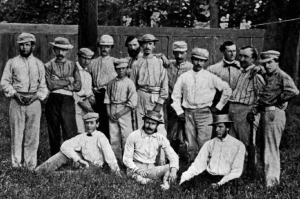
The New York Knickerbockers were founded by Alexander cartwright in 1845. They played by the rules we know today. They are the first official baseball team. They were not professional. The first professional baseball team was the Cincinnati Red Stockings who were founded in 1869. The Knickerbockers declined due to bad performance in 1856.
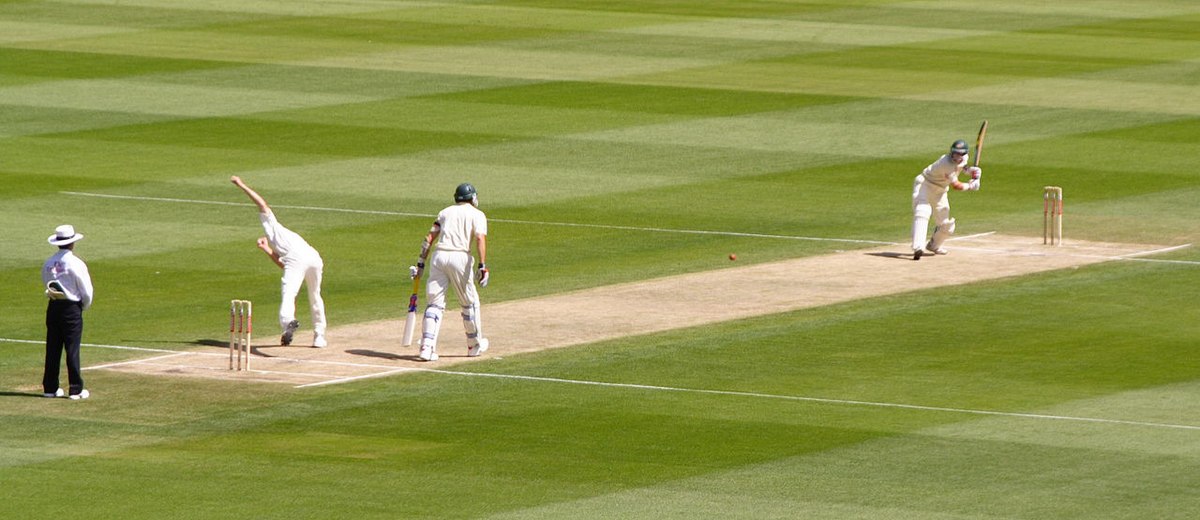
Gameplay Overview Teams: Two teams of 11 players Objective: Score the more runs than the other team Innings: Each team takes turns fielding and batting. A game can have one or two innings per team, depending on the format. Batting: The batting team has two players on the field at a time; one on each side of the pitch. The “striker” bats, while the other is the “non striker”. Fielding: The fielding team has 11 players on the field, with one bowler who delivers the ball to the striker. Scoring Runs Running: A batter can run to the opposite end of the 22-yard pitch after hitting the ball. Each complete run between each wicket scores a run. Boundaries: Four: If the ball is hit to the boundary and bounces before crossing it. Six: If the ball is hit over the boundary without touching the ground. Getting a Batter Out Bowled: The bowler hits the wickets with the ball, knocking off the bails. Caught: A fielder catches the ball after the batter hits it but before it bounces. Leg Before Wicket (LBW): The ball hits the batter’s leg in front of the wickets. If it does hit them they have a chance to score. Run Out: A fielder hits the wickets with the ball while the batter is running, and the batter has not reached the crease. Overs and Matches Over: An over is the set of six balls bowled from one end of the pitch. After an over the bowler changes ends. Match End: An innings ends when all the batters are out (except for one if there are two innings per team) or when the set number of overs for the inning is completed. Winning: The team with the most runs at the end of both teams’ innings wins.